
WILDLIFE rehabilitators across NSW can now access a suite of new funding to help cover the costs of rescuing and caring for sick, injured and orphaned native animals.
The NSW Government has opened applications for the Wildlife Rehabilitation Sector Emergency and Operational Support Program, delivering immediate support to volunteers and carers who provide essential care to the state’s wildlife.

“Wildlife rehabilitators play a vital role in rescuing and caring for native animals, often volunteering countless hours and covering costs out of their own pockets,” said the NSW Minister for the Environment, Penny Sharpe..
This funding includes the first tranche of the NSW Government’s $9 million Wildlife Rehabilitation Sector package, as well as new emergency support funding for bird flu preparedness and flying-fox relief.
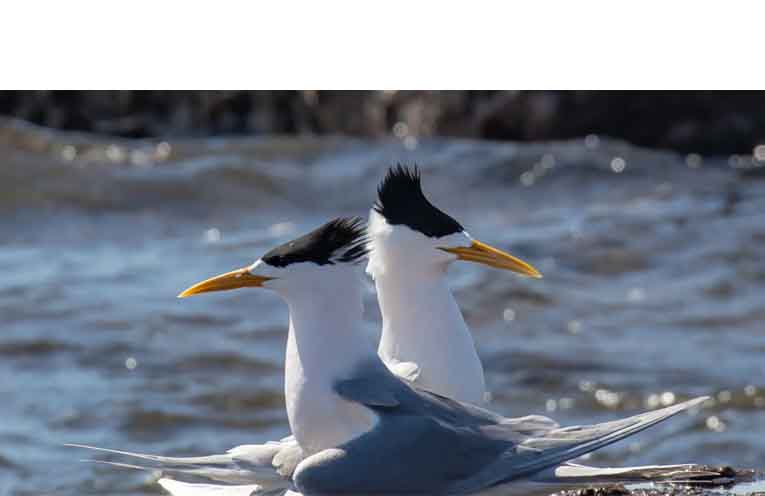
The H5 bird flu preparedness funding will help eligible rehabilitators purchase PPE including masks, disposable protective clothing, gloves, eye protection and disposable footwear covers where required for identified events in eligible locations.
“This funding will help ease some of the financial pressure on rehabilitators while strengthening the sector’s ability to respond to emergencies and emerging threats such as H5 bird flu,” Ms Sharpe said.
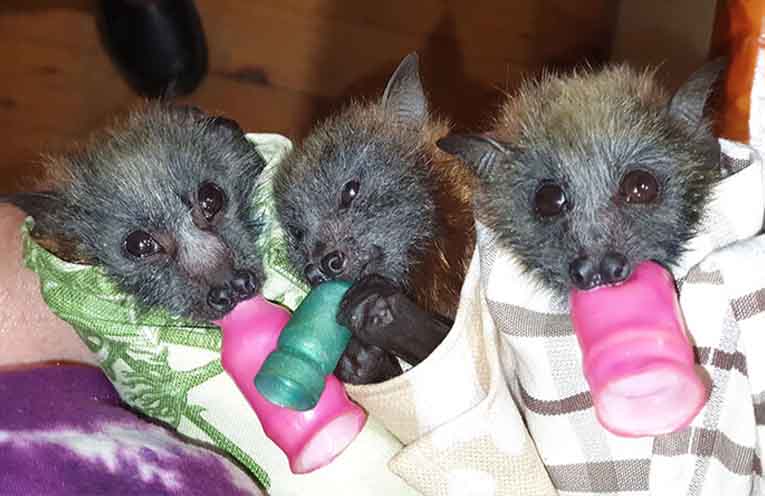
Emergency relief funding for flying-fox rehabilitators will help meet additional costs associated with responding to emergencies, including food and feed, transport, accommodation, consumables and intensive rehabilitation services.
“Whether it’s supporting everyday rehabilitation costs, preparing for disease risks or helping flying-fox carers respond to emergency events, this funding will help rehabilitators continue their important work caring for native animals across NSW,” Ms Sharpe said.
Beyond grants, the package will support training and resources for volunteers.
Wildlife carers can now apply for the following grants:
– $1.09 million for everyday wildlife rehabilitation expenses
– $250,000 in joint Australian and NSW Government funding to help wildlife rehabilitators prepare for H5 bird flu through the purchase of eligible personal protective equipment
– $100,000 in emergency relief for authorised flying-fox rehabilitators responding to current flying-fox emergencies, including starvation events.
Further support available soon includes:
– $500,000 for durable assets, such as rescue and transport equipment, enclosures, monitoring equipment, quarantine and biosecurity equipment, and food storage
– $900,000 for strategic projects, supporting sector-wide initiatives including training, volunteer support, specialist facilities and shared tools.
If a wildlife carer or volunteer is eligible for multiple funding streams, they may apply for more than one program. Rebates are paid directly to eligible individuals and not to wildlife rehabilitation organisations.
The NSW Government is also announcing $6.5 million for the Wildlife Vets Program, expected to commence in mid-2027, to support eligible wildlife hospitals and veterinary practices. The program will help them deliver best-practice care for sick and injured wildlife.