
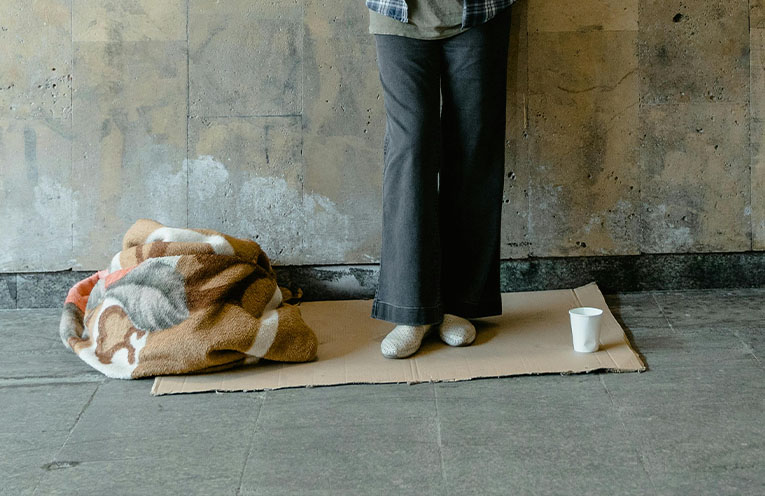
NEW data has revealed the Port Macquarie-Hastings and Coffs Harbour local government areas recorded some of the largest increases in rough sleeping across NSW in 2026.
Each year the NSW Government partners with local organisations across the state to complete “street counts” to provide a point-in-time count of the number of people in a geographical location observed to be experiencing street homelessness.

These organisations include Specialist Homelessness Services, local councils, Community Housing Providers, Aboriginal organisations, local community groups and NSW Police.
The 2026 Street Count, conducted across more than 461 towns and suburbs in 77 local government areas between 23 February and 19 March, found Coffs Harbour’s count rose by 52 to reach 151 people sleeping rough. Port Macquarie recorded a rise of 47, bringing its total to 116.
The Hunter and Central Coast also recorded significant increases, with 100 people sleeping on the streets of the Central Coast alone – 34 more than in 2025.
In the Hunter, Newcastle recorded the highest numbers with 66 people sleeping rough, followed by Lake Macquarie with 60 and Port Stephens with 35.
Minister for Homelessness Rose Jackson said the data helped direct government investment where it was most needed.
“The urgent need to address the root causes of homelessness remains a work in progress to ensure that no one in our community is left behind,” Jackson said.
“The data tells us that a lack of affordable housing and high cost of living are the most common drivers, which is exactly why the NSW Government is laser-focused on building more homes as quickly as possible.”
Jackson noted that the rate of increase was slowing, pointing to a 34 percent rise in 2023 that eased to eight per cent in 2025 and five percent this year.
“We are making headway, but it won’t happen overnight,” she said.
Some areas offered cause for cautious optimism, with Sydney’s CBD and Byron Bay both recording reductions – regions where government intervention had been concentrated in recent years.
According to the total count, the state’s homeless population climbed to 2,308 people – a five percent rise on the previous year.
By Kate PYE