
THE ongoing cost of living crisis is not only affecting household budgets.
Small businesses are also facing difficult decisions as operating expenses continue to rise.
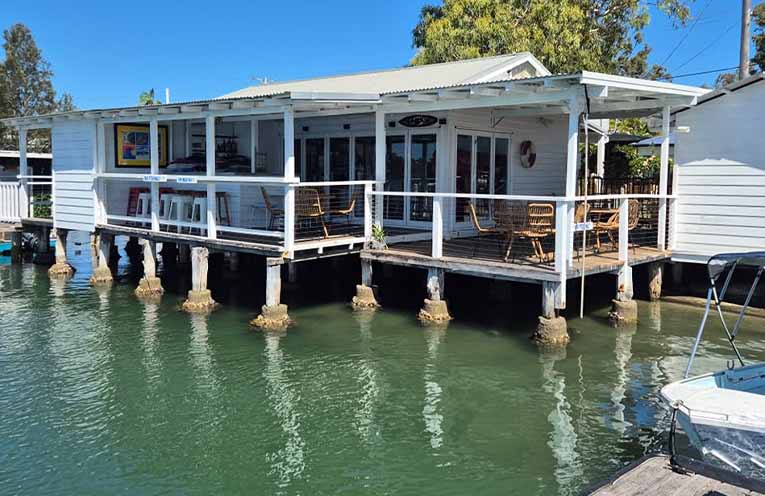
Dunbogan Boatshed and Marina proprietors Kristy and Malcolm Bell are now paying more than $15,000 each year to have the property’s septic system emptied.
The increase follows a change to Port Macquarie-Hastings Council’s waste disposal charges.
The separate effluent disposal rate has been removed and combined with the higher septic waste disposal fees, significantly increasing the cost incurred when waste is taken to the council facility.
The Bells stressed that their concerns were not directed at council or the local business responsible for emptying their septic system.
They understand council must responsibly manage its facilities and finances, while the septic service provider must pass on the disposal costs it incurs.
However, the situation demonstrates how decisions made throughout the supply chain can ultimately create significant financial pressure for small businesses.
“We have no problem with the Council or our collector; they are doing what they need to do,” Mrs Bell said.
“But this is just the latest in what has been a challenging year for small businesses.”
While the Boatshed’s toilet facilities were provided for customers, passers-by enjoying the popular Beach to Beach Shared Pathway were not discouraged from using them.
However, with the annual cost of maintaining the septic system now exceeding $15,000, the owners have made the difficult decision to lock the toilets and reserve their use for patrons only.
It is not a decision they have taken lightly, particularly given the Boatshed’s location beside one of the Camden Haven’s most popular recreational areas.
The change highlights the less visible costs involved in operating a small business.
In addition to wages, insurance, electricity, stock, transport, and general maintenance, businesses can face substantial expenses for essential services that customers may never see.
The Bells hope the situation encourages the community to consider the pressures facing local operators and the importance of continuing to support them.
“Small businesses often provide more than the goods and services they sell,” Mrs Bell said.
“They contribute to local employment, tourism, community events and the overall character of the region.
“Many also provide informal conveniences and assistance that extend beyond their direct commercial responsibilities.”
As household budgets tighten, it is understandable that people are becoming more cautious about where they spend their money.
However, even small purchases can make a meaningful difference to a locally owned business facing rising operating costs.
For the Bells, limiting access to the toilets is a necessary response to a growing expense.
More broadly, it is a reminder that local businesses are navigating many of the same cost pressures as the wider community, often while working hard to continue providing the services and hospitality their customers have come to value.
By Luke HADFIELD